Ways to Start (or Return to) Your Meditation Practice: Cultivating Inner Peace and Mindfulness
Meditation is a timeless practice that has been embraced by cultures around the world for centuries. Its benefits in promoting mental clarity, emotional well-being, and overall health are widely acknowledged. However, in today’s fast-paced world, finding time for self-reflection and mindfulness can be challenging. In this blog post, we will explore effective ways to start or return to your meditation practice, empowering you to cultivate inner peace, reduce stress, and embrace the present moment.
- Start with Small Steps
If you are new to meditation or returning after a hiatus, starting with small steps is essential. Trying to meditate for extended periods initially may lead to frustration and discourage consistent practice. Begin with just a few minutes a day and gradually increase the duration as you become more comfortable and familiar with the practice.
- Create a Sacred Space
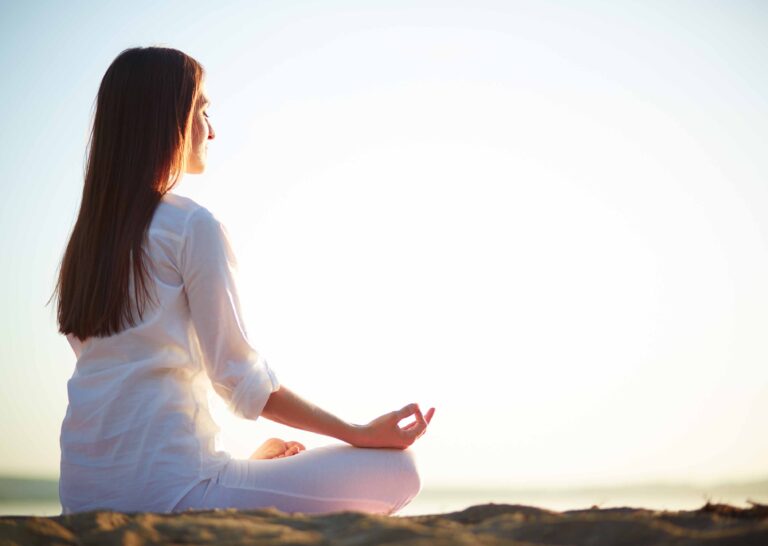
Designate a quiet and comfortable space in your home as your meditation area. This could be a corner of a room or a specific cushion or chair. Creating a sacred space sends a signal to your mind that it’s time for reflection and relaxation, making it easier to transition into a meditative state.
- Choose a Meditation Style
There are various meditation styles to explore, such as mindfulness meditation, loving-kindness meditation, transcendental meditation, and more. Experiment with different styles to find the one that resonates most with you. Each approach offers unique benefits, so don’t hesitate to try different techniques.
- Set a Regular Schedule
Consistency is key to reaping the full benefits of meditation. Set a regular schedule for your practice, whether it’s in the morning, during lunch break, or before bedtime. Consistent practice helps integrate meditation into your daily routine and allows you to experience its transformative effects more profoundly.
- Focus on the Breath
One of the simplest and most effective meditation techniques is focusing on the breath. Paying attention to each inhale and exhale anchors your mind in the present moment, helping to quiet mental chatter and induce a state of relaxation.
- Guided Meditations
If you find it challenging to meditate on your own, consider using guided meditation sessions. There are numerous apps and online resources that offer guided meditations with various themes and durations. These guided sessions can be especially helpful for beginners and those returning to the practice.
- Embrace Mindfulness in Daily Activities
Meditation isn’t limited to sitting in stillness. Embrace mindfulness in your daily activities, such as while eating, walking, or even washing dishes. You integrate mindfulness into your everyday life by staying fully present in these moments.
- Be Gentle with Yourself
It’s natural for your mind to wander during meditation, especially when you’re just starting. Instead of being critical, practice self-compassion and gently guide your attention back to your chosen point of focus, be it your breath, a mantra, or a visualization.
- Incorporate Movement Meditation
Movement meditation can be a great alternative for those who struggle with traditional seated meditation. Practices like yoga, tai chi, or qigong blend mindful movement with breath, allowing you to find stillness through motion.
- Join a Meditation Group or Class
Consider joining a meditation group or class if you prefer a sense of community or guided support. Engaging with others on the meditation journey can provide inspiration, accountability, and a deeper understanding of the practice.
Conclusion
Starting or returning to a meditation practice is a gift to yourself, offering a sanctuary of calm and self-awareness amid the chaos of daily life. As you embark on this journey, remember that there is no “right” way to meditate. The key is to find what works best for you and to approach your practice with an open mind and heart. By embracing meditation and incorporating mindfulness into your daily life, you will discover an inner reservoir of peace, resilience, and clarity that enriches every aspect of your being. So, take a deep breath, sit comfortably, and let the journey of self-discovery and mindfulness begin.